Update. This post was written for version 4 of this repository. As of 2026/09/28, version 5 is available. I will post about this soon.
I published my original repository on MPC for building energy controls some months ago. And I already stated my plan to update this. And I have done so. Since 2026/08/20, version 4 of the repository is available…
The hardest thing to predict in buildings is human behavior
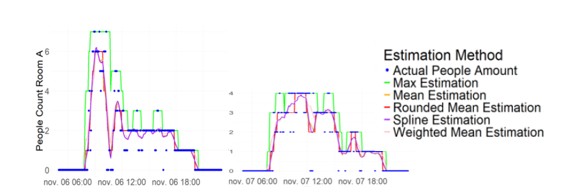
We have spent decades researching the energy performance of buildings. We have succeeded in reducing energy demand, improving the efficiency of HVAC systems, and integrating renewables. We have built remarkably detailed, comprehensive models… And yet, they remain stubbornly imprecise. What if the problem isn't the physical modeling of the buildi…
Análisis y Modelización Energética en el Siglo XXI: Aproximaciones de un Ingeniero al Entorno Digital en la Edificación
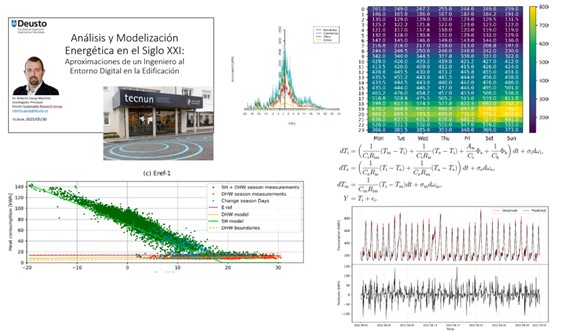
Hace casi un año, Juan Carlos Ramos me invitó a dar una conferencia en TECNUN, con temática libre. Decidí presentar mi línea de investigación, y contextualizarla con la evolución de energética en la edificación a lo largo de las últimas dos décadas. Fue una buena oportunidad para poner mis ideas en orden.
Elegí el título “Anális…
MPC in buildings. Repository & playing around
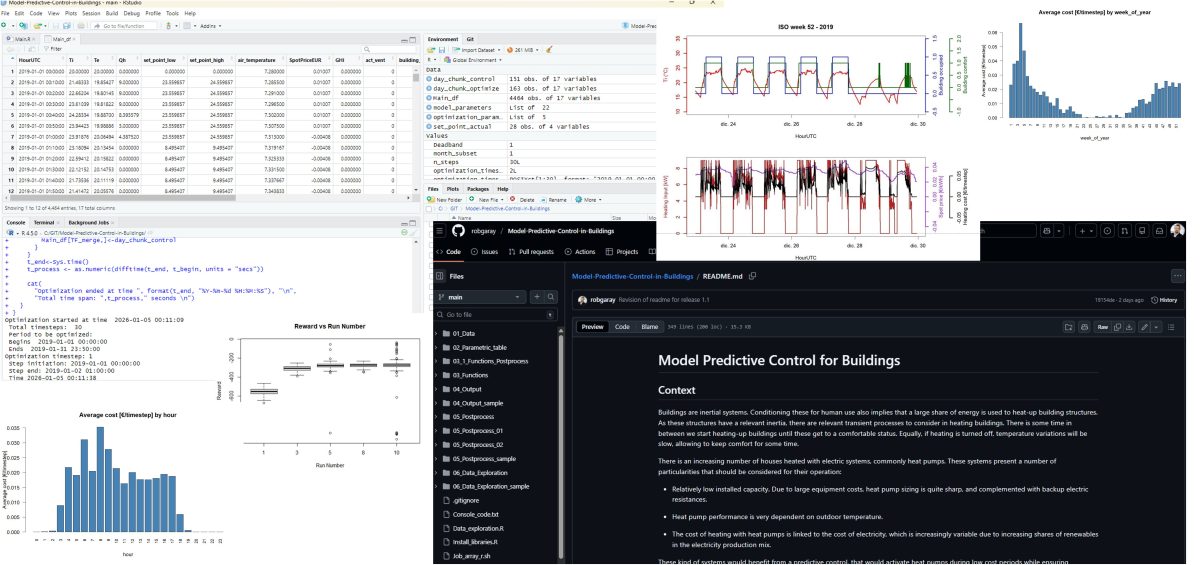
UPDATE: This repository has been heavily updated. As of 2026/08/20, version 4 is published. See more recent posts in my blog for more information.
Buildings are inertial systems and require anticipating the use of heating/cooling systems to be comfortable inside. Commonly, Heating, Ventilation and Air Conditioning (HVAC) systems are activated a…
Kubik is already 15+ years old. Looking back & what comes next
A few months ago, my former colleagues published a retrospective of the Kubik test facility. I feel linked to them and the facility itself as we were office mates, and we developed experiments in the facility for many years. So, I could not resist looking back and commenting.
First, what is Kubik? It’s a full-scale test facility aimed at supp…
Thermal performance assessment of glazed envelopes. Redefining experimental limits

I was introduced to Riccardo Gazzin about a year ago. He was quite a smart engineer trying to redefine performance assessment methods for glazed envelopes. Particularly interested in understanding how accurate these methods are, and in developing shorter experimental methods.
We had a couple of meetings with his supervisors at EURAC (Miren Juar…
Modelar un edificio para controlarlo mejor

En su momento hablé del despliegue de sistemas de control predictivo, pero dejé apartado los procesos de modelado predictivo en sí.
Retomo el caso del edificio 59 del Lawrence Berkley National Laboratory, un edificio moderno con oficinas en dos de sus cuatro plantas y climatizado por ventilación con 4 unidades rooftop. Es un ejemplo bastant…
Clustering Daily Energy Patterns to improve Heat Load Prediction: New code release
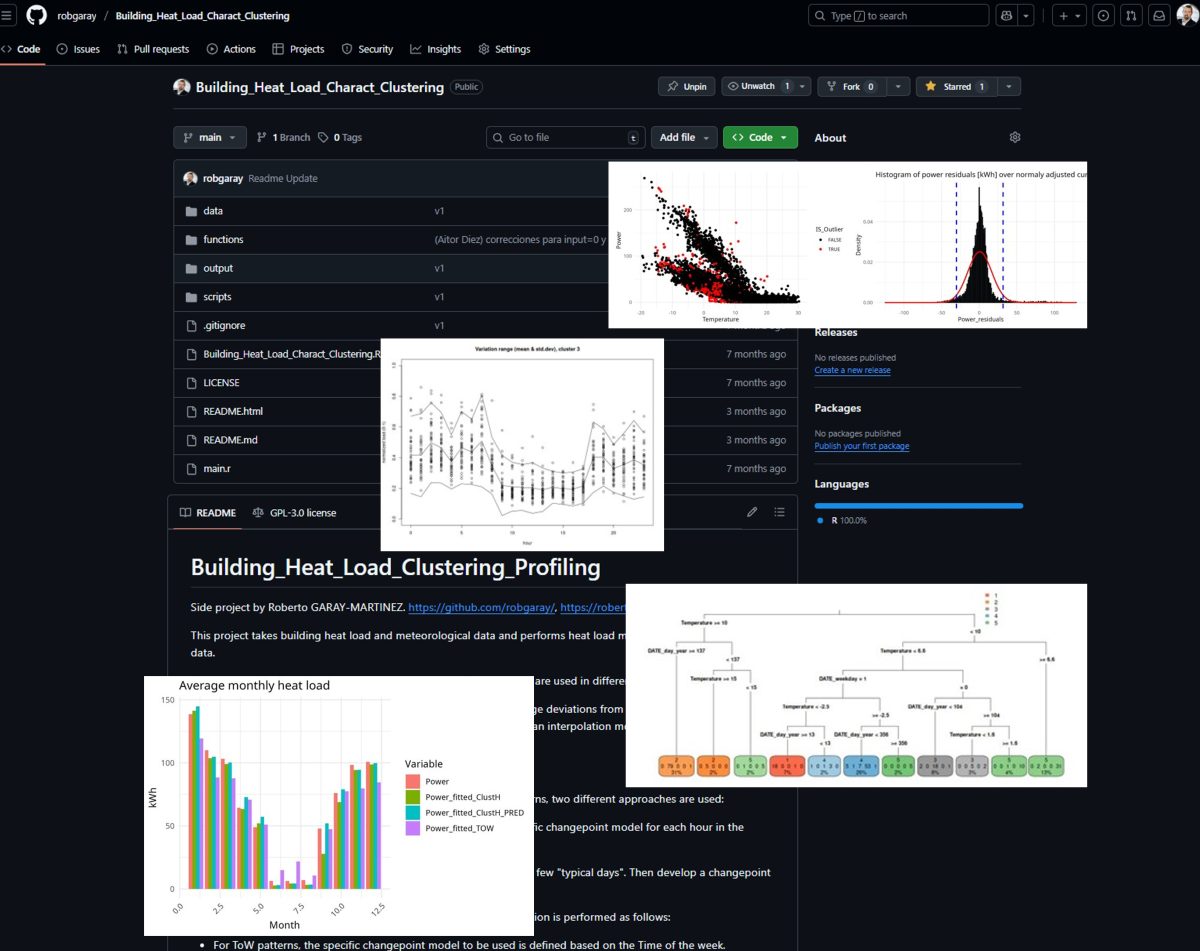
I have talked on my collaborations with Mikel Lumbreras in several previous posts. One of our recent activity was on how to use clustering to identify day types (“How will my building behave tomorrow?...”), which is extended into a full scientific paper at Journal of Building Engineering.
There, we focused on understanding and predictin…
Un simulador para jugar con controladores
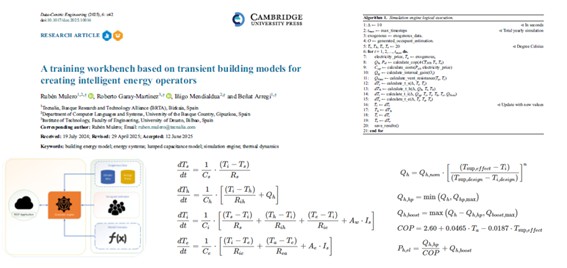
Conocí a Rubén Mulero cuando comenzó a trabajar en Tecnalia justo antes del COVID. Rubén, que tiene formación en ingeniería informática, tenía interés en investigar en aplicaciones de Inteligencia Artificial para sistemas de control de energía en edificios, con lo que la colaboración con él surgió de forma natural.
Él necesitaba u…
Smart buildings, Comfort, Indoor Air Quality, Load Flexibility… Is it all possible?
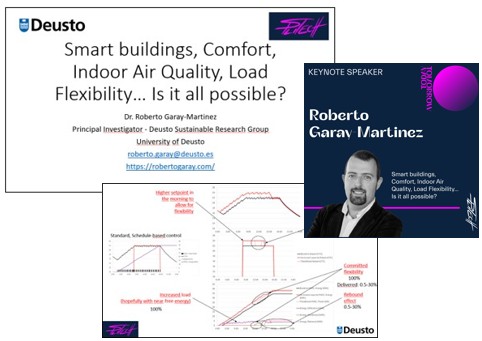
A few weeks ago, I was honored with the possibility to deliver a keynote lecture at Splitech. This was my second time attending this great conference, organized by Sandro, Petar and Ana. And they facilitated an empty slot for me to talk.
What is the right topic to talk about in front of an experienced audience on Energy and IT topics? I propose…